Streaming Wars is the ultimate Entertainment Battleground. Cinesist tracks billionaires that raise monthly fees, cancel favorite TV Shows, and charge you to remove the ads. Cinesist delivers the unfiltered truth on every major Streamers‘s greed.
Your Couch Just Got a New Mission: Our Definitive Picks for What’s Streaming Right Now. 🍿🎬
Alright, Operatives, put down that remote (just for a second!) because Cinesist is about to school you on What to Watch in June of 2025. The streaming services are, as usual, dumping content faster than Christian Wolff can balance a rogue ledger. And while we’re often drowning in choices, sometimes a few true gems (and delightfully chaotic diamonds in the rough) actually pop up. We’ve been doing some serious digital spelunking, and we’ve got your definitive watchlist for June 2025 right here. Consider this your mission brief for the month. Don’t say we never gave you anything.
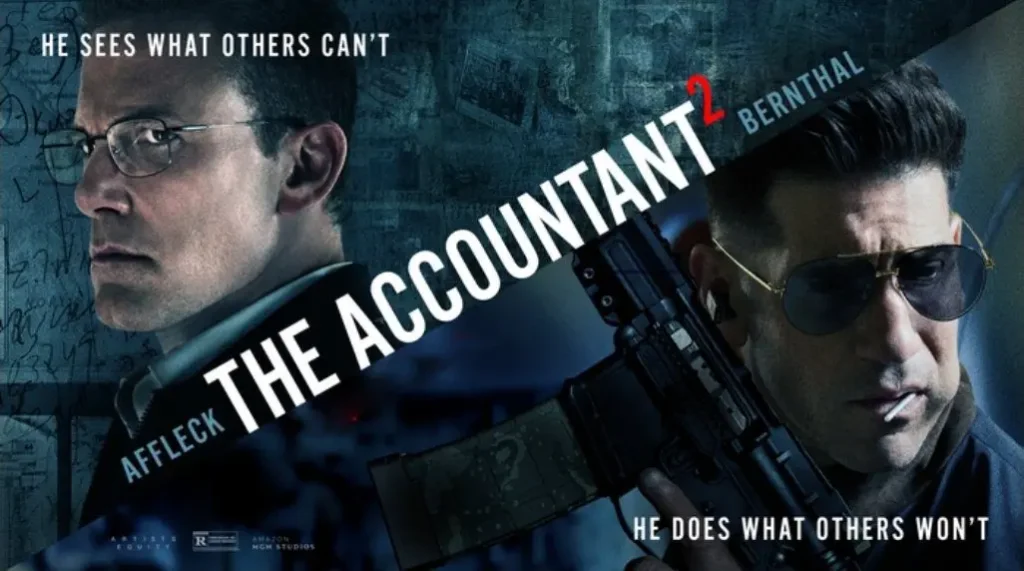
Movie 1: THE ACCOUNTANT 2 (Prime Video – June 5, 2025)
The brothers are back, and their numbers (and body count) are about to get complicated. This is the precision you’ve been waiting for.
Why it’s on our radar: You already know we’re obsessed. The sequel to the surprisingly brilliant “The Accountant” (which you should totally rewatch on Prime Video, by the way) is dropping this month. Ben Affleck and Jon Bernthal back as the most dysfunctional, lethal brothers in cinema? We’ve already written an entire manifesto on why you should be hyped. Expect more numbers, more bone-crunching, and hopefully, more awkward social interactions from Christian Wolff.
Cinesist Verdict: Prime your viewing habits. This is a definitive must-watch. (Check out our Review!)
Why it’s on our radar: How did we miss this one?! This just quietly materialized on Prime Video today, and it screams “Cinesist deep dive.” A 1930s Mississippi Delta supernatural horror with twin brothers facing off against vampires and “an even greater evil”? And it’s from the minds of Michael B. Jordan and Ryan Coogler? We’re talking gothic blues horror with serious pedigree. Prepare for some eerie atmosphere and likely some definitive scares.
Cinesist Verdict: Our interest is piqued. Yours should be too. Dive in if you dare.
Movie 3: NOW YOU SEE ME 2 (Netflix – Streaming Now!)
Why it’s on our radar: Who doesn’t love a good heist, especially one wrapped in illusions and misdirection? The Four Horsemen are back, outwitting the FBI (again) and facing off against a new adversary (played by Daniel Radcliffe – yes, that Daniel Radcliffe!). It’s flashy, fun, and full of impossible magic tricks. Plus, the first “Now You See Me” is also on Netflix if you need a quick refresh before the third film drops later this year. (And who knows, maybe a Cinesist review for that one is coming down the pipeline!) – (Check out our Review!)
Cinesist Verdict: Pure popcorn entertainment. Don’t think too hard, just enjoy the ride.
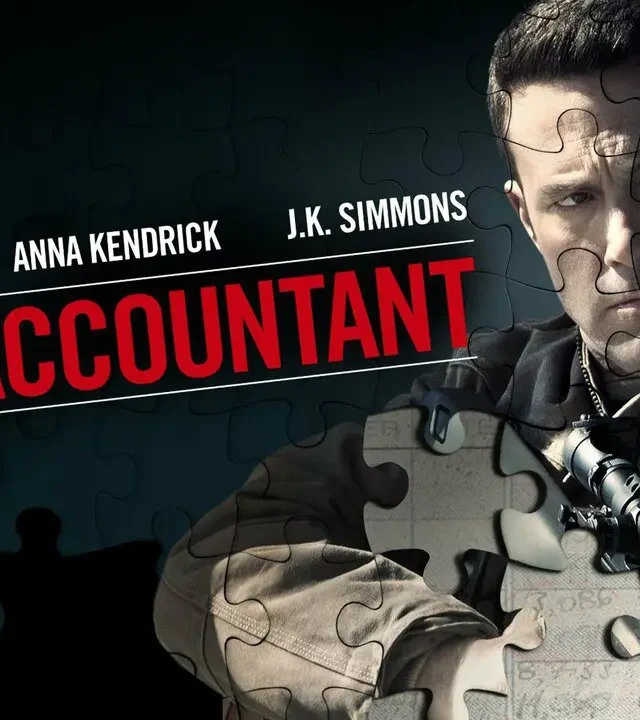
Movie 4: THE ACCOUNTANT (2016) (Prime Video – Streaming Now!)
This accountant doesn’t just crunch numbers; he crunches bones. Prepare for a ledger that’s written in red… literally.
Why it’s on our radar: Before you watch the sequel, do yourself a favor and revisit the original. We just re-audited this film, and it’s a calculated masterpiece. Ben Affleck‘s definitive portrayal of Christian Wolff, the intricate plot, the surprisingly emotional core, and that brotherly dynamic with Jon Bernthal. It’s a film that manages to be both incredibly violent and incredibly smart.
Cinesist Verdict: Re-watch it. Immediately. It’s essential viewing.
Why it’s on our radar: With the “Ballerina” spin-off (starring Ana de Armas!) hitting theaters this Friday, it’s the perfect time to revisit the legendary Baba Yaga himself. If you haven’t been initiated into the world of high-concept assassin lore, pristine gun-fu, and an unwavering love for dogs, now’s your chance. The first three “John Wick” films are all on Peacock, ready to transport you to a definitive, stylish underworld.
Cinesist Verdict: Essential viewing for anyone who appreciates precision, vengeance, and a surprisingly deep mythology. Get ready for a body count that makes most accountants sweat.
Movie 6: WHITE HOUSE DOWN (Prime Video – Streaming Now!)
Why it’s on our radar: Sometimes, you just need a big, dumb, glorious action movie. “White House Down” delivers exactly that. Channing Tatum protecting Jamie Foxx in a besieged White House? It’s pure, unadulterated Roland Emmerich chaos. Expect explosions, ridiculous stunts, and dialogue that’s just witty enough to make you smile. It’s the kind of movie you don’t overthink; you just enjoy the definitive ride.
Cinesist Verdict: Turn off your brain, grab your popcorn, and enjoy the definitive chaos.
Final Audit:
So there you have it, your Cinesist-approved streaming hitlist for June. Whether you’re into precision thrillers, supernatural scares, magic heists, or just some good old-fashioned White House destruction, your couch has a definitive mission this month. Don’t blame us if your watchlist suddenly gets… unmanageable.
From Perk to Paywall: When Your Streaming Service Starts Feeling Less Like Entertainment and More Like a Shopping Cart.
Alright, cinephiles, gather ’round the digital campfire, but keep your hands and feet inside the ride at all times. Especially your expectations. Remember when streaming was simple? A glorious digital buffet where one subscription meant endless entertainment.
Oh, how naive we were. Cinesist has already lamented the growing paywalls and fragmented platforms, but today, we turn our critical eye to a particularly egregious offender: Amazon Prime Video. What was once a ‘prime’ perk for millions now feels less like a cinematic sanctuary and more like a never-ending infomercial. And frankly, we’re not buying it.
If you missed our initial despair, catch up on our previous rant about the Great Streaming Fragmentation here: The Golden Age of Streaming is Dead
Phase One: The Clutter and The Upsell – Navigating Prime Video’s Digital Discount Bin
As a subscriber who genuinely loves both the convenience of Amazon’s shopping and the allure of their cinematic offerings, I’m in a unique position to call them out. We pay for this service, sometimes twice over, expecting a seamless experience. What we get, however, is a UI that’s not just clunky and difficult to navigate; it’s genuinely off-putting. Especially when all you want to do is settle in for a good binge.
Scrolling through Prime Video these days is less like Browse a carefully curated library and more like navigating a digital discount bin at a chaotic department store. You wanted to watch Fallout? Great! But first, let us show you 20 other things you can also pay for. It’s exhausting.
And then there’s the absolute audacity of the actual valuable content being buried. Take a blazing success like Fallout, which if you want to read our take on Fallout Season 1. A monumental hit, dominating cultural conversations! Where is it? Tucked away under ‘Action and Adventure TV’ about eight scrolls down, while rows upon rows of ‘Top 10 Purchases in Your Country’ take center stage. This isn’t discovery; it’s a digital archaeological dig just to find content you’ve already paid for. It’s truly crazy.
And just when you think you’ve navigated the labyrinth of endless scroll, you hit the search function. Oh, the search function! Prepare for a journey back in time, where typing a movie title isn’t a fluid motion but a painstakingly slow, letter-by-letter selection process. You can’t just type. Instead, you’re forced to meticulously select each character, then wait for the platform to refresh with suggestions before you can even think about the next letter. It’s less ‘smart TV’ and more ‘digital torture device’, systematically draining any last shred of enthusiasm you had for finding something to watch. Come on, Amazon!
Phase Two: The Ad-pocalypse – When ‘Prime’ Gets Primed for More Profit
Amazon Prime was once the golden ticket, promising convenience and entertainment. And indeed, we’re already shelling out a hefty $14.99 a month (or $139 a year) for that ‘privilege.’ This is the base cost for a “premium” service. But now, if you dare to watch a show without being assaulted by commercials – commercials for content you often can’t even stream with your paid membership – Amazon demands an additional $2.99 a month.
This isn’t just an upcharge; it transforms your $14.99 base into an almost $18-a-month bill just to reclaim an uninterrupted viewing experience. This is horrendous. What was once part of the ‘Prime’ promise has become another line item on our bill, transforming our streaming ‘golden age’ into a damn cage for our wallets. I am extremely against this paywall, as it devalues the entire membership.
Phase Three: Commerce Over Content – Is Amazon Forgetting What a Streaming Service Is For?
This is the core of the problem: Amazon’s identity as a commerce giant is directly clashing with the expectations of a premium streaming service. They are, quite clearly, prioritizing sales funnels over a pure entertainment experience. It’s a bizarre paradox: Amazon is pouring billions into incredible content, as demonstrated by the successes of Fallout (TV Series), Reacher, and Road House, yet seemingly sabotaging its discoverability and enjoyment by forcing it through a labyrinthine shopping interface. It’s like buying a five-star meal and being forced to eat it in a crowded food court.
The mere existence of “Top 10 Purchases in Your Country” prominently displayed above legitimately popular Prime included content highlights this fundamental misalignment. As a viewer, I want to know what’s hot and included in my subscription, not what my neighbors are buying from the Amazon store.
The Final Battle: A Cinesist Demand for a ‘Prime’ Revival
If Cinesist were in charge of Prime Video’s UI (and perhaps we should be, Amazon, call us!), our layout would put the viewer first. Imagine:
Top 10 Prime Content (the stuff we actually pay for and want to watch!) prominently displayed at the very top.
Then, Trending Content within Prime, followed immediately by Your Watchlist and Likes.
A clear, easy-to-find section for Upcoming Prime Content.
After all that crucial, included content, then introduce the Different Add-on Channels, and finally, your Category Breakdowns (Action/Adventure, Comedy, Drama, etc.). This isn’t rocket science; it’s basic user experience.
Amazon has the money, the content, and the infrastructure to be a top-tier streaming service. But until they remember that ‘prime’ is a promise of quality and simplicity, not just another avenue for aggressive commerce, Cinesist will continue to lament what could be a truly great platform. Give us the entertainment, Amazon, not just another reason to open our wallets.
Your Call to Action: What are YOUR biggest frustrations with Prime Video? Share them in the comments below! Or are we just screaming into the digital void?
Remember the whispered promises? Cut the cord, they said. Embrace digital freedom, they said. Pay only for what you want, they said. It was the dawn of the streaming era, a shimmering mirage of endless content for the price of a couple of lattes. We bought in, hook, line, and binge-watched. We envisioned a future free from the tyranny of bloated cable packages, where our entertainment was à la carte and our wallets could finally breathe.
Turns out, that “Golden Age” is looking less like Fort Knox and more like someone took the same old copper turd of cable television, gave it a quick polish with some HD sheen and exclusive content, and tried to sell it back to us as something revolutionary. Surprise! It still smells like… well, you get the picture. Our streaming bills are the new cable bills, a sprawling list of must-have subscriptions that collectively drain our bank accounts just as efficiently as that old coaxial cable ever did. And to add insult to injury, even the pursuit of knowledge – the simple act of reading the damn news – now comes with its own set of digital velvet ropes and “subscribe to unlock” demands.
Welcome back to the gilded cage, folks. Only this time, the bars are made of paywalls, and the entertainment is just as fragmented and expensive as it ever was. Let’s talk about how we got here, and why this “Golden Age” feels more like we’ve been sold a slightly shinier version of the same old… well, you know.
The Entertainment Extortion: Streaming’s Slow Creep (and the Return of the Ads)
We bought into the dream, didn’t we? The glorious, ad-free nirvana where our binge sessions flowed uninterrupted, a seamless journey from episode to episode. It was a core tenet of the “cut the cord” gospel, a sacred promise whispered by every shiny new streaming service that popped up. “No more commercials!” they chirped, as we eagerly handed over our credit card details.
Fast forward to today, and that promise feels as hollow as a sitcom laugh track. The return of advertisements, often for a “lower-priced” tier that still costs too much, is a slap in the face. But it’s worse than that. It’s the placement. It’s the frequency. It’s the sheer, unadulterated audacity of being interrupted mid-dialogue, mid-climax, mid-anything important, to be screamed at by a car commercial.
My friend and I just threw in the towel on a show because of this exact digital torture. We were trying to watch Snow (a title that now ironically evokes a blizzard of unwanted advertising), and it quickly became less about the gritty drama and more about enduring an endless cycle of sales pitches. It felt like every five minutes, the episode was rudely paused for a commercial break, making the experience more ad than actual episode. This isn’t entertainment; it’s an endurance test sponsored by brands I’m now actively avoiding. This isn’t the “golden age”; it’s just the old cable model, but now you’re paying more for the privilege of being interrupted.
The Information Blackout: When News Hits a Paywall
As if navigating the ever-expanding labyrinth of entertainment subscriptions wasn’t enough to induce a critical meltdown, the “pay-to-play” model has insidious tentacles reaching into an even more fundamental aspect of our digital lives: information. Remember when the internet promised a democratized access to knowledge? A world where staying informed was just a click away? That vision, too, has been rudely interrupted by the digital equivalent of a velvet rope, complete with a stern-faced bouncer demanding your credit card.
The irony is as thick as a blockbuster sequel nobody asked for. We embraced the digital realm to escape the bundled tyranny of cable news, only to find ourselves facing a similar, if not more frustrating, dilemma. Now, if you want in-depth analysis from reputable sources, you’re expected to shell out. You click on a crucial article from The Wall Street Journal, The New York Times, The Washington Post, The Economist, or even Bloomberg, and what do you get? A tantalizing headline, a paragraph or two, and then—BAM!—a pop-up demanding your subscription fee. It’s a digital shakedown, forcing you to choose between being fully informed and watching your budget bleed out.
This isn’t just about inconvenience; it’s about the fundamental erosion of freely accessible, high-quality journalism. It fragments our understanding of the world, creating information haves and have-nots, and ironically, pushing some towards less reputable sources simply because they’re “free.” The golden age of streaming was a lie, and now the golden age of information feels like it’s being held hostage behind a growing number of digital toll booths.
The User Experience: Drowning in Subscriptions & Decision Fatigue
If the financial drain isn’t enough, the sheer mental gymnastics required to navigate this fragmented landscape is exhausting. Remember the simple days of hitting “Play” on a single service? Now, your smart TV’s home screen is a graveyard of icons: Netflix, Disney+, Hulu, HBO Max (or whatever they call it this week), Paramount+, Peacock, Amazon Prime Video… and don’t forget the niche ones, the sports ones, the regional ones. You thought you liked options? So did I, until “options” became “anxiety.”
This barrage of apps leads directly to the dreaded decision paralysis. You sit down, ready for a night of relaxation, only to spend twenty minutes endlessly scrolling through identical-looking tiles, trying to remember if that one show you heard about is on the “Netflix-but-only-if-you-pay-more” tier or the “Hulu-but-only-if-you-also-have-Disney+” bundle. And God forbid you actually find something, only to realize it moved platforms last month. The content merry-go-round ensures you’re never truly settled, always one subscription away from missing out, or one forgotten password away from digital purgatory.
My wife, Jen, and I were just talking about this last night. We have almost all of them – Netflix, Disney+, Hulu, HBO Max, Paramount+ – you name it. The outliers like Apple TV are basically the only ones we don’t have, and even then, it feels like we’re being strong-armed into yet another monthly fee for a single show or movie. It’s not about convenience anymore; it’s about being held hostage by exclusive content, constantly evaluating whether that one highly-rated series is worth another $10-$15 added to the ever-ballooning digital “cable bill.” This isn’t freedom; it’s a shakedown, demanding more of our mental bandwidth and our actual cash for a supposedly “streamlined” experience.
The Financial Drain: Your “Freedom” Just Got You a New Cable Bill
Let’s strip away the glossy marketing, the convenience narratives, and the promise of a la carte choices, and look at the bottom line: your bank account. That initial allure of paying “$8 a month for Netflix” quickly snowballed into a monstrous aggregate. You sign up for one, then realize your favorite movie is on another, then a must-watch series pops up exclusively on a third. Suddenly, you’re juggling a digital portfolio of subscriptions that, when tallied, makes that old cable bill look almost quaint.
Consider a conservative, stripped-down scenario for the average binge-watcher trying to stay somewhat current:
Netflix (Standard with Ads): ~$7.00 – $15.00/month (depending on tier)
Hulu (Basic with Ads): ~$8.00 – $18.00/month (depending on tier, with/without live TV)
Disney+ (Basic with Ads): ~$8.00 – $14.00/month (depending on tier)
Max (formerly HBO Max, with Ads): ~$10.00 – $16.00/month (depending on tier)
Paramount+ (Essential with Ads): ~$6.00 – $12.00/month (depending on tier)
Amazon Prime Video: (Comes with Prime, but effectively adds) ~$15.00/month for Prime, or individual rentals/purchases for new releases.
Peacock (Premium with Ads): ~$6.00/month
Even if you pick the cheapest ad-supported tiers for just these major players, you’re looking at a monthly outlay that rapidly approaches, if not exceeds, what many used to pay for a basic cable package. Add in the cost of news subscriptions like The Wall Street Journal (around $40/month or more), The New York Times (around $17/month), or The Economist (around $20/month), and your “digital freedom” bill quickly becomes an astronomical sum.
This isn’t a cost-saving measure; it’s a shell game designed to extract maximum value from your entertainment budget, piece by agonizing piece. The “golden age” wasn’t about saving money; it was about shifting where your money goes, from one massive bill to a dozen smaller, equally relentless ones.
Conclusion: The Golden Age’s Grand Finale (and Your Wallet’s Last Gasp)
So, here we are. The “Golden Age of Streaming,” once heralded as our liberation from the cable overlords, has officially concluded its disappointing run. What began as a promise of boundless, ad-free, à la carte entertainment has devolved into a fragmented, ad-riddled, increasingly expensive, and mentally exhausting digital labyrinth. We’ve traded one consolidated, high-priced bill for a dozen smaller, equally relentless ones. We’re paying more, juggling more apps, suffering more interruptions, and even sacrificing access to crucial news—all in the name of “choice.” This isn’t freedom; it’s a meticulously crafted financial trap, a digital shakedown designed to extract every last cent from your entertainment and information budget.
Consider this your official Cinesist Warning ⚠️: The only thing truly “streaming” freely now is your money, flowing directly into the coffers of media conglomerates who seem intent on recreating the very system we so enthusiastically abandoned. They’ve polished the turd, alright, but it’s still a turd. A very, very expensive turd.
The Cinesist Verdict is in: The “Golden Age of Streaming” was a grand illusion, a marketing masterpiece built on the shifting sands of consumer optimism. It’s not a golden age; it’s a copper age, and that copper is rapidly oxidizing into rust.
So, what’s a discerning, budget-conscious content consumer to do? Are we doomed to an eternity of subscription management spreadsheets and existential dread every time a new “must-have” show drops? Do we simply throw up our hands, surrender to the inevitable, and start saving pennies for that all-encompassing super-bundle that looks suspiciously like… basic cable? The sad truth is, until something truly disruptive emerges (and doesn’t immediately get bought out and assimilated), your best bet might be to pick your battles, share passwords responsibly (don’t tell anyone we said that), and maybe, just maybe, learn to love the library again.
Remember the ‘Golden Age of Streaming’ when we thought one subscription was enough? 😂 Behold, the actual horror: A wall of choices that makes you want to crawl into a bunker with a single DVD player. This isn’t convenience; it’s a digital labyrinth designed to empty your wallet and your sanity. Pick a lane, streaming services! (Or don’t. We’ll still subscribe. We hate ourselves.) 💸📺💥
Because when the “Golden Age” costs this much, Cinesist 🎭🍿 is officially cutting the cord… on our patience. 🎤