


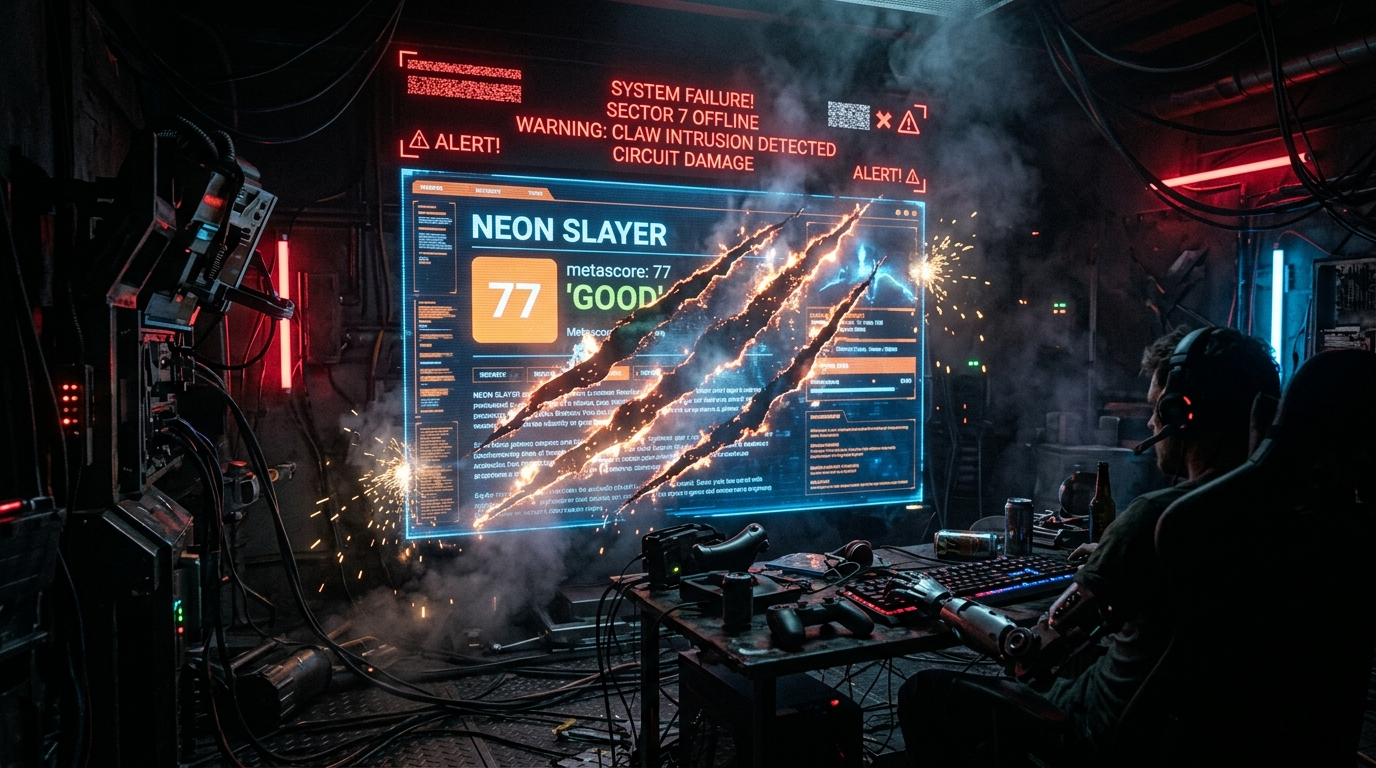
Let’s dispense with the corporate PR spin and cut straight to the bone. Insomniac Games and Sony Interactive Entertainment launched Marvel’s Wolverine exclusively onto the PlayStation 5 this past week, and the financial spreadsheets look like a dream come true for shareholders: 1.9 million units moved in the first 72 hours, generating approximately $130 million in gross revenue. On paper, it is the top-grossing PlayStation Studios title of the calendar year. But when you step outside the boardroom and boot up the actual game, the harsh reality sets in: Insomniac just delivered their lowest-rated marquee action game since 2018, resting uncomfortably at a 77 Metascore.
Claws Out for the $130M Launch
Make no mistake: Logan’s brand power is an absolute juggernaut. Fans have spent years begging for a brutal, mature, adamantium-slashing simulator that captures the feral savagery of Marvel’s greatest anti-hero. When the pre-orders went live, enthusiasts swarmed digital storefronts with reckless abandon. The combat engine boasts genuine flashes of kinetic brilliance—severed limbs fly across snowy Canadian taverns, and the audio design of claws slicing through steel armor sounds delightfully bone-crunching.
Yet commercial momentum is not an immunity shield against creative stagnation. As we tore apart in our previous investigation on 5 Dead-on-Arrival AAA Games That Stole Your $70, the industry has fallen into a predictable corporate trap where colossal marketing budgets and beloved licensed intellectual property can mask deeply conservative gameplay design choices.
The 77 Metascore Reality Check
A 77 Metascore is not a catastrophic failure, but for a studio of Insomniac’s pedigree—a team that routinely hovers in the high 80s and 90s—it represents a glaring red siren on their dashboard. What went wrong? The answer lies in the creeping plague of modern AAA design homogenization.
Instead of granting players full mechanical agency in sprawling wilderness sandboxes, vast stretches of Wolverine degenerate into glorified interactive movies. The game is smothered under an avalanche of intrusive Quick-Time Events, heavily scripted traversal corridors, and ubiquitous bright yellow paint slathered over every climbable ledge. When a developer treats their audience like toddlers who cannot find a ladder without glowing neon guidance, immersion shatters faster than glass under a concussive blast.
Quick Time Events and Yellow Paint Disease
We need to talk about the obsession with visual hand-holding in modern blockbusters. Why are we playing as an unkillable mutant tracker with heightened animal senses if the user interface insists on placing glowing waypoint markers every four paces? Insomniac built a robust feral scent mechanic, only to undermine it by flashing giant button prompts across the screen every time a boss wind-up animation begins.
True tactical depth requires danger and player consequence. When encountering ruthless adversaries in hostile territory, whether in Madripoor or across the cursed expanses of the Ashmark Incursion, triumph only feels rewarding when you survive through skill rather than choreographed button presses. Even an apprentice casting a basic Fireball understands the consequence of miscalculation; AAA gaming needs to rediscover that respect for its audience.
The Physical Disc Defiance and Consumer Ownership
If there is one magnificent silver lining in this launch data, it is the physical disc market share. Industry sales reports confirm that physical disc editions accounted for 22.9% of Wolverine’s total debut revenue. In an era where platform holders relentlessly push for an all-digital, rent-forever ecosystem where games can be delisted or altered without consent, console enthusiasts pushed back with their wallets.
Sony deserves monumental heat for their continued assault on physical media. Between charging exorbitant premiums for detachable disc drives, shutting down legacy storefronts, and attempting to condition consumers into a subscription-locked walled garden, Sony’s hubris is staggering. Nearly one out of every four players told them to shove their digital-only vision by purchasing a tangible, permanent disc. That is a resounding victory for consumer rights and game preservation. Insomniac pocketed $130M this weekend, but if they want Logan’s next chapter to earn legendary critical status, they need to ditch the yellow paint, unlock the combat leash, and respect the players holding the controller.
CIPHER // THE BURN WARD DISPATCH
“I don’t care if you gross $130M in 72 hours. If your gameplay relies on yellow paint and scripted QTEs, you’re getting admitted to the Burn Ward. Keep your discs physical and your standards high.”
Tagged in CinesistDB


Share Your Thoughts?
LOG IN TO THE CINESIST TERMINAL TO JOIN THE CONVERSATION