Cinesist‘s IndustryRealm. Get a transparent look at Hollywood’s Industry. Find the latest Industry News, Streaming insights, Fallen Relics(Cancellations), and unfiltered Rants. This is behind enemy lines. The Syndicate isn’t looking at the art here; they are looking at the suits who control it.
Alright, Cinesist fam, gather ’round, because we’ve got some news that’s less “groundbreaking” and more “head-scratching.” Remember, way back in 2023, when Warner Bros. Discovery decided to rebrand HBO Max to just… Max? …A corporate strategy so baffling, we’re convinced they’re just throwing darts at a board with streaming names written on it, blindfolded, after a three-martini lunch. They told us it was about expanding beyond “prestige TV” to include everything from Fixer Upper to Naked and Afraid. We all collectively rolled our eyes, sighed, and figured, “Fine, whatever, just don’t mess with Succession.”
And just like that, the prodigal ‘HBO’ returns! ✨ After a brief, confusing hiatus, the streaming service has remembered its roots (and its prestige). We’re calling it: ‘HBO Max: The Redemption Arc Nobody Asked For.’ You’re welcome. 😉
Well, apparently, the corporate overlords at WBD have had a sudden, dramatic change of heart. Because guess what? They’re putting “HBO” back in “HBO Max”! Yes, you read that right. If you’re as confused as we are, congratulations, you’re officially part of the ‘Why Is Hollywood So Bad At This?’ club. Membership is free, the headache is mandatory. After all the fanfare, all the marketing, all the confused consumers, they’ve decided that maybe, just maybe, associating their premium content with the most prestigious name in television wasn’t such a bad idea after all. Gasp! Who could have possibly seen this coming? (Everyone. Everyone saw this coming.)
The Flip-Flop: A Masterclass in Corporate Indecision
This isn’t just a rebrand; it’s a full-blown identity crisis played out on a global stage. It’s like your friend who dyes their hair purple, then shaves it all off, then decides, “You know what? Blonde was actually pretty good. Let’s go back to blonde, but call it ‘Platinum Journey.’” We’re not entirely sure what sparked this sudden epiphany, but WBD CEO David Zaslav’s previous mantra of “No consumer today is saying they want more content, but most consumers are saying they want better content” now rings with a delightful irony. So, the solution to “better content” is… putting the old name back on? Truly revolutionary.
The powerful growth we have seen in our global streaming service is built around the quality of our programming. Today, we are bringing back HBO, the brand that represents the highest quality in media, to further accelerate that growth in the years ahead. – David Zaslav, President and CEO of Warner Bros. Discovery
One has to wonder about the internal meetings. Was there a PowerPoint presentation with slides titled “The Unbearable Lightness of Being Just ‘Max’”? Did someone finally whisper, “Hey, maybe people actually liked the ‘HBO’ part because it meant quality, not just quantity of reality TV shows about sharks dancing?” It’s almost as if they realized that diluting a premium brand with a deluge of unscripted content wasn’t the genius move they thought it was. Shocking, we know.
What Does This Mean for You (Besides More Confusion)?
Honestly? Probably not much beyond the name change. You’ll still get your House of the Dragon and your Last of Us, presumably alongside your 90 Day Fiancé spin-offs. It just means the people in charge of the streaming service have finally admitted (without actually admitting it) that they made a colossal misstep. It’s a tacit acknowledgment that “HBO” carries weight, prestige, and a certain je ne sais quoi that “Max” simply couldn’t replicate.
For Cinesist, this is a goldmine. It’s a perfect example of Hollywood’s baffling corporate logic and the constant need to fix what wasn’t broken, only to break it further, and then “fix” it by going back to square one. We’re not mad, WBD. We’re just disappointed… and incredibly entertained by your antics. Keep ’em coming, because our snark reserves are endless.
Alright, Cinesist is officially adding another casualty to the ever-growing “Cancelled List“! Prepare for a healthy dose of snark and a deep dive into why Prime Video gave The Bondsman the old heave-ho, because apparently, even Kevin Bacon couldn’t save this one from the digital graveyard. 🤷♀️
We are here to deliver another eulogy for a fallen streaming soldier. This time, our condolences (or lack thereof) go out to The Bondsman, which Prime Video decided was simply not worth collecting on after just one season. And look, we hear you. Some of you tried to watch it, maybe even hated it (we don’t judge… much). But here’s the kicker: critics actually gave it an 83% on Rotten Tomatoes. So what gives? Why did this show, starring the ever-reliable Kevin Bacon as a supernatural bounty hunter, get ghosted so quickly?
Reason 1: The Crickets of Social Media (AKA The Buzz Black Hole)
In the cutthroat world of streaming, if it’s not trending on X (or whatever they’re calling Twitter these days), if it’s not sparking endless TikToks, if your grandma isn’t accidentally asking about the demon-hunting musical numbers… then does it even exist? The Bondsman, despite its somewhat bizarre premise and Bacon’s musical chops, failed to generate a whisper in the social media echo chamber. Turns out, critical acclaim is great for press releases, but zero online chatter is a one-way ticket to cancellation station. Hollywood execs don’t care if it’s “good,” they care if it’s viral. 🙄
Reason 2: The Viewership Roller coaster (Mostly Downhill)
It had a moment, bless its heart. For one glorious week, The Bondsman actually clawed its way into Nielsen’s streaming Top 10, landing at #9. A respectable showing for a new series, right? WRONG. Apparently, Prime Video expected it to pull a Reacher and just… stay there forever. That initial bump was like a sugar rush – exciting for a moment, then came the inevitable crash. Viewership dropped off faster than a bad parachute, and in the land of algorithms, inconsistent eyeballs mean instant death.
Reason 3: The Almighty Dollar (Because Demons Ain’t Cheap)
Let’s be real, a show starring Kevin Bacon (who, let’s face it, isn’t working for craft services and exposure alone) and featuring literal demons and supernatural effects, is not cheap. Those 30-minute episodes might seem efficient, but when the numbers don’t scream “MEGA HIT,” the bean counters at Amazon start looking at that budget with the kind of scrutiny usually reserved for government spending. If you’re going to shell out big bucks for a show, it better bring in big, consistent audiences. The Bondsman just didn’t hit that ROI sweet spot. It was a costly experiment that failed to make enough noise to justify its existence. 💰
Hub Halloran, a murdered bounty hunter, is back from the dead after being resurrected by the Devil to trap and send back demons that have escaped from the prison of Hell; by chasing them down, Hub learns how his own sins got his soul condemned.
Prime Video
Cinesist’s Final Take: Another Day, Another Streamer Slaughter
So, there you have it. The Bondsman wasn’t necessarily a terrible show (depending on who you ask, cough, cough 😷), but it wasn’t a phenomenon. In the current streaming landscape, mediocrity—or even quiet competence—is no longer enough. You either go big or go home. Or, in The Bondsman‘s case, you just quietly disappear into the Prime Video abyss. Pour one out for the demon-hunting musician, I guess. Or don’t. We won’t judge. Much.
Your Couch Just Got a New Mission: Our Definitive Picks for What’s Streaming Right Now. 🍿🎬
Alright, Operatives, put down that remote (just for a second!) because Cinesist is about to school you on What to Watch in June of 2025. The streaming services are, as usual, dumping content faster than Christian Wolff can balance a rogue ledger. And while we’re often drowning in choices, sometimes a few true gems (and delightfully chaotic diamonds in the rough) actually pop up. We’ve been doing some serious digital spelunking, and we’ve got your definitive watchlist for June 2025 right here. Consider this your mission brief for the month. Don’t say we never gave you anything.
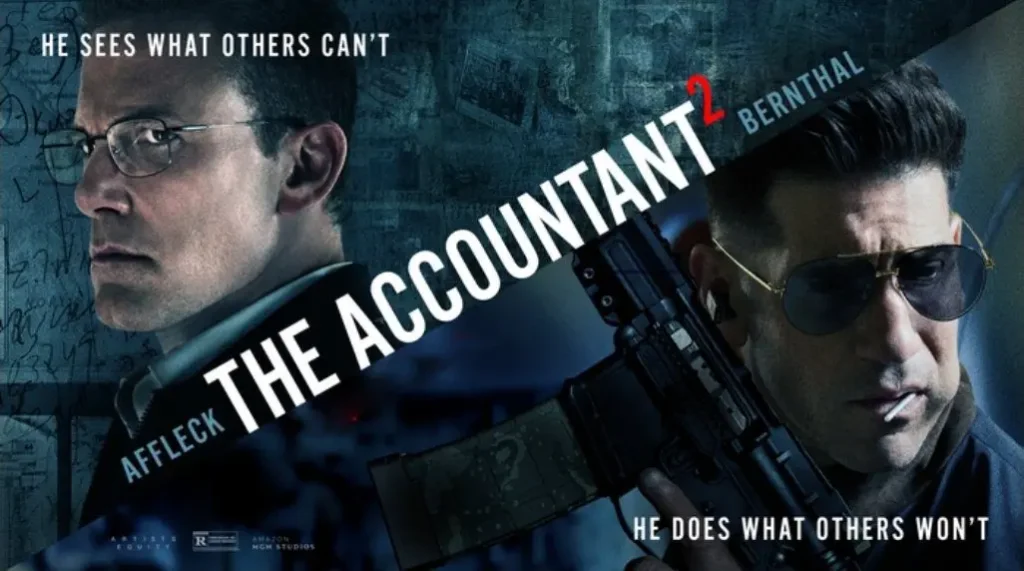
Movie 1: THE ACCOUNTANT 2 (Prime Video – June 5, 2025)
The brothers are back, and their numbers (and body count) are about to get complicated. This is the precision you’ve been waiting for.
Why it’s on our radar: You already know we’re obsessed. The sequel to the surprisingly brilliant “The Accountant” (which you should totally rewatch on Prime Video, by the way) is dropping this month. Ben Affleck and Jon Bernthal back as the most dysfunctional, lethal brothers in cinema? We’ve already written an entire manifesto on why you should be hyped. Expect more numbers, more bone-crunching, and hopefully, more awkward social interactions from Christian Wolff.
Cinesist Verdict: Prime your viewing habits. This is a definitive must-watch. (Check out our Review!)
Why it’s on our radar: How did we miss this one?! This just quietly materialized on Prime Video today, and it screams “Cinesist deep dive.” A 1930s Mississippi Delta supernatural horror with twin brothers facing off against vampires and “an even greater evil”? And it’s from the minds of Michael B. Jordan and Ryan Coogler? We’re talking gothic blues horror with serious pedigree. Prepare for some eerie atmosphere and likely some definitive scares.
Cinesist Verdict: Our interest is piqued. Yours should be too. Dive in if you dare.
Movie 3: NOW YOU SEE ME 2 (Netflix – Streaming Now!)
Why it’s on our radar: Who doesn’t love a good heist, especially one wrapped in illusions and misdirection? The Four Horsemen are back, outwitting the FBI (again) and facing off against a new adversary (played by Daniel Radcliffe – yes, that Daniel Radcliffe!). It’s flashy, fun, and full of impossible magic tricks. Plus, the first “Now You See Me” is also on Netflix if you need a quick refresh before the third film drops later this year. (And who knows, maybe a Cinesist review for that one is coming down the pipeline!) – (Check out our Review!)
Cinesist Verdict: Pure popcorn entertainment. Don’t think too hard, just enjoy the ride.
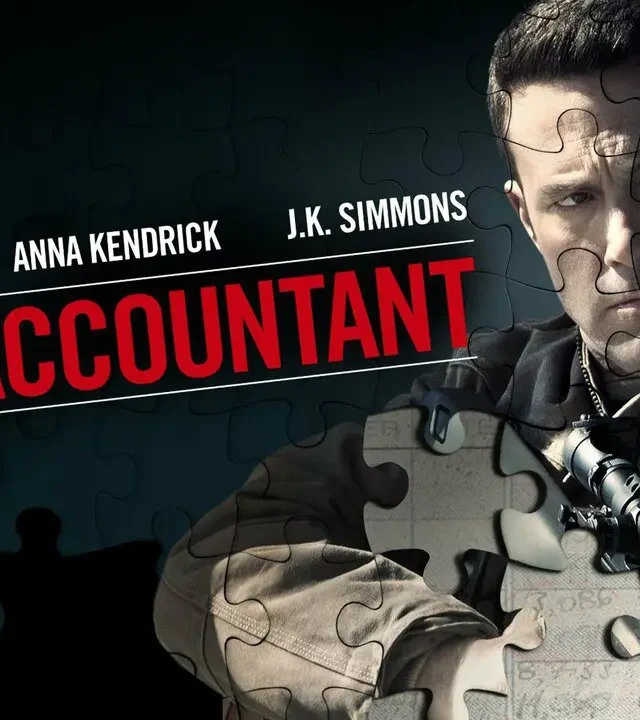
Movie 4: THE ACCOUNTANT (2016) (Prime Video – Streaming Now!)
This accountant doesn’t just crunch numbers; he crunches bones. Prepare for a ledger that’s written in red… literally.
Why it’s on our radar: Before you watch the sequel, do yourself a favor and revisit the original. We just re-audited this film, and it’s a calculated masterpiece. Ben Affleck‘s definitive portrayal of Christian Wolff, the intricate plot, the surprisingly emotional core, and that brotherly dynamic with Jon Bernthal. It’s a film that manages to be both incredibly violent and incredibly smart.
Cinesist Verdict: Re-watch it. Immediately. It’s essential viewing.
Why it’s on our radar: With the “Ballerina” spin-off (starring Ana de Armas!) hitting theaters this Friday, it’s the perfect time to revisit the legendary Baba Yaga himself. If you haven’t been initiated into the world of high-concept assassin lore, pristine gun-fu, and an unwavering love for dogs, now’s your chance. The first three “John Wick” films are all on Peacock, ready to transport you to a definitive, stylish underworld.
Cinesist Verdict: Essential viewing for anyone who appreciates precision, vengeance, and a surprisingly deep mythology. Get ready for a body count that makes most accountants sweat.
Movie 6: WHITE HOUSE DOWN (Prime Video – Streaming Now!)
Why it’s on our radar: Sometimes, you just need a big, dumb, glorious action movie. “White House Down” delivers exactly that. Channing Tatum protecting Jamie Foxx in a besieged White House? It’s pure, unadulterated Roland Emmerich chaos. Expect explosions, ridiculous stunts, and dialogue that’s just witty enough to make you smile. It’s the kind of movie you don’t overthink; you just enjoy the definitive ride.
Cinesist Verdict: Turn off your brain, grab your popcorn, and enjoy the definitive chaos.
Final Audit:
So there you have it, your Cinesist-approved streaming hitlist for June. Whether you’re into precision thrillers, supernatural scares, magic heists, or just some good old-fashioned White House destruction, your couch has a definitive mission this month. Don’t blame us if your watchlist suddenly gets… unmanageable.
From Perk to Paywall: When Your Streaming Service Starts Feeling Less Like Entertainment and More Like a Shopping Cart.
Alright, cinephiles, gather ’round the digital campfire, but keep your hands and feet inside the ride at all times. Especially your expectations. Remember when streaming was simple? A glorious digital buffet where one subscription meant endless entertainment.
Oh, how naive we were. Cinesist has already lamented the growing paywalls and fragmented platforms, but today, we turn our critical eye to a particularly egregious offender: Amazon Prime Video. What was once a ‘prime’ perk for millions now feels less like a cinematic sanctuary and more like a never-ending infomercial. And frankly, we’re not buying it.
If you missed our initial despair, catch up on our previous rant about the Great Streaming Fragmentation here: The Golden Age of Streaming is Dead
Phase One: The Clutter and The Upsell – Navigating Prime Video’s Digital Discount Bin
As a subscriber who genuinely loves both the convenience of Amazon’s shopping and the allure of their cinematic offerings, I’m in a unique position to call them out. We pay for this service, sometimes twice over, expecting a seamless experience. What we get, however, is a UI that’s not just clunky and difficult to navigate; it’s genuinely off-putting. Especially when all you want to do is settle in for a good binge.
Scrolling through Prime Video these days is less like Browse a carefully curated library and more like navigating a digital discount bin at a chaotic department store. You wanted to watch Fallout? Great! But first, let us show you 20 other things you can also pay for. It’s exhausting.
And then there’s the absolute audacity of the actual valuable content being buried. Take a blazing success like Fallout, which if you want to read our take on Fallout Season 1. A monumental hit, dominating cultural conversations! Where is it? Tucked away under ‘Action and Adventure TV’ about eight scrolls down, while rows upon rows of ‘Top 10 Purchases in Your Country’ take center stage. This isn’t discovery; it’s a digital archaeological dig just to find content you’ve already paid for. It’s truly crazy.
And just when you think you’ve navigated the labyrinth of endless scroll, you hit the search function. Oh, the search function! Prepare for a journey back in time, where typing a movie title isn’t a fluid motion but a painstakingly slow, letter-by-letter selection process. You can’t just type. Instead, you’re forced to meticulously select each character, then wait for the platform to refresh with suggestions before you can even think about the next letter. It’s less ‘smart TV’ and more ‘digital torture device’, systematically draining any last shred of enthusiasm you had for finding something to watch. Come on, Amazon!
Phase Two: The Ad-pocalypse – When ‘Prime’ Gets Primed for More Profit
Amazon Prime was once the golden ticket, promising convenience and entertainment. And indeed, we’re already shelling out a hefty $14.99 a month (or $139 a year) for that ‘privilege.’ This is the base cost for a “premium” service. But now, if you dare to watch a show without being assaulted by commercials – commercials for content you often can’t even stream with your paid membership – Amazon demands an additional $2.99 a month.
This isn’t just an upcharge; it transforms your $14.99 base into an almost $18-a-month bill just to reclaim an uninterrupted viewing experience. This is horrendous. What was once part of the ‘Prime’ promise has become another line item on our bill, transforming our streaming ‘golden age’ into a damn cage for our wallets. I am extremely against this paywall, as it devalues the entire membership.
Phase Three: Commerce Over Content – Is Amazon Forgetting What a Streaming Service Is For?
This is the core of the problem: Amazon’s identity as a commerce giant is directly clashing with the expectations of a premium streaming service. They are, quite clearly, prioritizing sales funnels over a pure entertainment experience. It’s a bizarre paradox: Amazon is pouring billions into incredible content, as demonstrated by the successes of Fallout (TV Series), Reacher, and Road House, yet seemingly sabotaging its discoverability and enjoyment by forcing it through a labyrinthine shopping interface. It’s like buying a five-star meal and being forced to eat it in a crowded food court.
The mere existence of “Top 10 Purchases in Your Country” prominently displayed above legitimately popular Prime included content highlights this fundamental misalignment. As a viewer, I want to know what’s hot and included in my subscription, not what my neighbors are buying from the Amazon store.
The Final Battle: A Cinesist Demand for a ‘Prime’ Revival
If Cinesist were in charge of Prime Video’s UI (and perhaps we should be, Amazon, call us!), our layout would put the viewer first. Imagine:
Top 10 Prime Content (the stuff we actually pay for and want to watch!) prominently displayed at the very top.
Then, Trending Content within Prime, followed immediately by Your Watchlist and Likes.
A clear, easy-to-find section for Upcoming Prime Content.
After all that crucial, included content, then introduce the Different Add-on Channels, and finally, your Category Breakdowns (Action/Adventure, Comedy, Drama, etc.). This isn’t rocket science; it’s basic user experience.
Amazon has the money, the content, and the infrastructure to be a top-tier streaming service. But until they remember that ‘prime’ is a promise of quality and simplicity, not just another avenue for aggressive commerce, Cinesist will continue to lament what could be a truly great platform. Give us the entertainment, Amazon, not just another reason to open our wallets.
Your Call to Action: What are YOUR biggest frustrations with Prime Video? Share them in the comments below! Or are we just screaming into the digital void?
Remember the whispered promises? Cut the cord, they said. Embrace digital freedom, they said. Pay only for what you want, they said. It was the dawn of the streaming era, a shimmering mirage of endless content for the price of a couple of lattes. We bought in, hook, line, and binge-watched. We envisioned a future free from the tyranny of bloated cable packages, where our entertainment was à la carte and our wallets could finally breathe.
Turns out, that “Golden Age” is looking less like Fort Knox and more like someone took the same old copper turd of cable television, gave it a quick polish with some HD sheen and exclusive content, and tried to sell it back to us as something revolutionary. Surprise! It still smells like… well, you get the picture. Our streaming bills are the new cable bills, a sprawling list of must-have subscriptions that collectively drain our bank accounts just as efficiently as that old coaxial cable ever did. And to add insult to injury, even the pursuit of knowledge – the simple act of reading the damn news – now comes with its own set of digital velvet ropes and “subscribe to unlock” demands.
Welcome back to the gilded cage, folks. Only this time, the bars are made of paywalls, and the entertainment is just as fragmented and expensive as it ever was. Let’s talk about how we got here, and why this “Golden Age” feels more like we’ve been sold a slightly shinier version of the same old… well, you know.
The Entertainment Extortion: Streaming’s Slow Creep (and the Return of the Ads)
We bought into the dream, didn’t we? The glorious, ad-free nirvana where our binge sessions flowed uninterrupted, a seamless journey from episode to episode. It was a core tenet of the “cut the cord” gospel, a sacred promise whispered by every shiny new streaming service that popped up. “No more commercials!” they chirped, as we eagerly handed over our credit card details.
Fast forward to today, and that promise feels as hollow as a sitcom laugh track. The return of advertisements, often for a “lower-priced” tier that still costs too much, is a slap in the face. But it’s worse than that. It’s the placement. It’s the frequency. It’s the sheer, unadulterated audacity of being interrupted mid-dialogue, mid-climax, mid-anything important, to be screamed at by a car commercial.
My friend and I just threw in the towel on a show because of this exact digital torture. We were trying to watch Snow (a title that now ironically evokes a blizzard of unwanted advertising), and it quickly became less about the gritty drama and more about enduring an endless cycle of sales pitches. It felt like every five minutes, the episode was rudely paused for a commercial break, making the experience more ad than actual episode. This isn’t entertainment; it’s an endurance test sponsored by brands I’m now actively avoiding. This isn’t the “golden age”; it’s just the old cable model, but now you’re paying more for the privilege of being interrupted.
The Information Blackout: When News Hits a Paywall
As if navigating the ever-expanding labyrinth of entertainment subscriptions wasn’t enough to induce a critical meltdown, the “pay-to-play” model has insidious tentacles reaching into an even more fundamental aspect of our digital lives: information. Remember when the internet promised a democratized access to knowledge? A world where staying informed was just a click away? That vision, too, has been rudely interrupted by the digital equivalent of a velvet rope, complete with a stern-faced bouncer demanding your credit card.
The irony is as thick as a blockbuster sequel nobody asked for. We embraced the digital realm to escape the bundled tyranny of cable news, only to find ourselves facing a similar, if not more frustrating, dilemma. Now, if you want in-depth analysis from reputable sources, you’re expected to shell out. You click on a crucial article from The Wall Street Journal, The New York Times, The Washington Post, The Economist, or even Bloomberg, and what do you get? A tantalizing headline, a paragraph or two, and then—BAM!—a pop-up demanding your subscription fee. It’s a digital shakedown, forcing you to choose between being fully informed and watching your budget bleed out.
This isn’t just about inconvenience; it’s about the fundamental erosion of freely accessible, high-quality journalism. It fragments our understanding of the world, creating information haves and have-nots, and ironically, pushing some towards less reputable sources simply because they’re “free.” The golden age of streaming was a lie, and now the golden age of information feels like it’s being held hostage behind a growing number of digital toll booths.
The User Experience: Drowning in Subscriptions & Decision Fatigue
If the financial drain isn’t enough, the sheer mental gymnastics required to navigate this fragmented landscape is exhausting. Remember the simple days of hitting “Play” on a single service? Now, your smart TV’s home screen is a graveyard of icons: Netflix, Disney+, Hulu, HBO Max (or whatever they call it this week), Paramount+, Peacock, Amazon Prime Video… and don’t forget the niche ones, the sports ones, the regional ones. You thought you liked options? So did I, until “options” became “anxiety.”
This barrage of apps leads directly to the dreaded decision paralysis. You sit down, ready for a night of relaxation, only to spend twenty minutes endlessly scrolling through identical-looking tiles, trying to remember if that one show you heard about is on the “Netflix-but-only-if-you-pay-more” tier or the “Hulu-but-only-if-you-also-have-Disney+” bundle. And God forbid you actually find something, only to realize it moved platforms last month. The content merry-go-round ensures you’re never truly settled, always one subscription away from missing out, or one forgotten password away from digital purgatory.
My wife, Jen, and I were just talking about this last night. We have almost all of them – Netflix, Disney+, Hulu, HBO Max, Paramount+ – you name it. The outliers like Apple TV are basically the only ones we don’t have, and even then, it feels like we’re being strong-armed into yet another monthly fee for a single show or movie. It’s not about convenience anymore; it’s about being held hostage by exclusive content, constantly evaluating whether that one highly-rated series is worth another $10-$15 added to the ever-ballooning digital “cable bill.” This isn’t freedom; it’s a shakedown, demanding more of our mental bandwidth and our actual cash for a supposedly “streamlined” experience.
The Financial Drain: Your “Freedom” Just Got You a New Cable Bill
Let’s strip away the glossy marketing, the convenience narratives, and the promise of a la carte choices, and look at the bottom line: your bank account. That initial allure of paying “$8 a month for Netflix” quickly snowballed into a monstrous aggregate. You sign up for one, then realize your favorite movie is on another, then a must-watch series pops up exclusively on a third. Suddenly, you’re juggling a digital portfolio of subscriptions that, when tallied, makes that old cable bill look almost quaint.
Consider a conservative, stripped-down scenario for the average binge-watcher trying to stay somewhat current:
Netflix (Standard with Ads): ~$7.00 – $15.00/month (depending on tier)
Hulu (Basic with Ads): ~$8.00 – $18.00/month (depending on tier, with/without live TV)
Disney+ (Basic with Ads): ~$8.00 – $14.00/month (depending on tier)
Max (formerly HBO Max, with Ads): ~$10.00 – $16.00/month (depending on tier)
Paramount+ (Essential with Ads): ~$6.00 – $12.00/month (depending on tier)
Amazon Prime Video: (Comes with Prime, but effectively adds) ~$15.00/month for Prime, or individual rentals/purchases for new releases.
Peacock (Premium with Ads): ~$6.00/month
Even if you pick the cheapest ad-supported tiers for just these major players, you’re looking at a monthly outlay that rapidly approaches, if not exceeds, what many used to pay for a basic cable package. Add in the cost of news subscriptions like The Wall Street Journal (around $40/month or more), The New York Times (around $17/month), or The Economist (around $20/month), and your “digital freedom” bill quickly becomes an astronomical sum.
This isn’t a cost-saving measure; it’s a shell game designed to extract maximum value from your entertainment budget, piece by agonizing piece. The “golden age” wasn’t about saving money; it was about shifting where your money goes, from one massive bill to a dozen smaller, equally relentless ones.
Conclusion: The Golden Age’s Grand Finale (and Your Wallet’s Last Gasp)
So, here we are. The “Golden Age of Streaming,” once heralded as our liberation from the cable overlords, has officially concluded its disappointing run. What began as a promise of boundless, ad-free, à la carte entertainment has devolved into a fragmented, ad-riddled, increasingly expensive, and mentally exhausting digital labyrinth. We’ve traded one consolidated, high-priced bill for a dozen smaller, equally relentless ones. We’re paying more, juggling more apps, suffering more interruptions, and even sacrificing access to crucial news—all in the name of “choice.” This isn’t freedom; it’s a meticulously crafted financial trap, a digital shakedown designed to extract every last cent from your entertainment and information budget.
Consider this your official Cinesist Warning ⚠️: The only thing truly “streaming” freely now is your money, flowing directly into the coffers of media conglomerates who seem intent on recreating the very system we so enthusiastically abandoned. They’ve polished the turd, alright, but it’s still a turd. A very, very expensive turd.
The Cinesist Verdict is in: The “Golden Age of Streaming” was a grand illusion, a marketing masterpiece built on the shifting sands of consumer optimism. It’s not a golden age; it’s a copper age, and that copper is rapidly oxidizing into rust.
So, what’s a discerning, budget-conscious content consumer to do? Are we doomed to an eternity of subscription management spreadsheets and existential dread every time a new “must-have” show drops? Do we simply throw up our hands, surrender to the inevitable, and start saving pennies for that all-encompassing super-bundle that looks suspiciously like… basic cable? The sad truth is, until something truly disruptive emerges (and doesn’t immediately get bought out and assimilated), your best bet might be to pick your battles, share passwords responsibly (don’t tell anyone we said that), and maybe, just maybe, learn to love the library again.
Remember the ‘Golden Age of Streaming’ when we thought one subscription was enough? 😂 Behold, the actual horror: A wall of choices that makes you want to crawl into a bunker with a single DVD player. This isn’t convenience; it’s a digital labyrinth designed to empty your wallet and your sanity. Pick a lane, streaming services! (Or don’t. We’ll still subscribe. We hate ourselves.) 💸📺💥
Because when the “Golden Age” costs this much, Cinesist 🎭🍿 is officially cutting the cord… on our patience. 🎤
Alright, Cinesist Crew 🎭🍿, gather ’round. It’s that bittersweet (mostly bitter, let’s be real) time of year when the grim reaper of network and streaming television sharpens his scythe. We’ve just lived through another season of promising pilots, baffling renewals, and, inevitably, a whole lot of cancellations. And while some goodbyes sting (RIP shows we actually loved!), let’s be brutally honest: most of the time, we saw it coming a mile away.
This isn’t a eulogy, folks. This is an intervention. At Cinesist, we’re not here to mourn; we’re here to dissect the cadavers of this season’s dearly departed TV shows and ask the tough questions: “What were they thinking?” “Did anyone actually watch this?” And, most importantly, “Why did it take them so long to pull the plug?” From reboots that failed to recapture magic to concepts that felt DOA, grab your popcorn (and maybe a tissue, if you’re one of those ‘Wheel of Time’ fans), because we’re serving up our unfiltered, snarky take on 14 Cancelled Shows We Absolutely Saw Coming. Prepare for a lashing, because sometimes, cancellation is a mercy.
Show 1: Suits LA (NBC)
Platform/Year Cancelled: NBC, Cancelled after 1 season (2024-2025 season).
Why We Saw It Coming (Cinesist Analysis): Oh, honey. You can’t just slap a “Suits” label on a new cast in a new city and expect magic. The original Suits had lightning in a bottle: the dynamic duo of Harvey and Mike, the fast-talking banter, and the sheer charisma of the cast. Suits LA felt like a desperate attempt to milk a dry cow. Without the established chemistry or a compelling hook beyond “It’s like Suits, but… in LA,” it was destined for the legal graveyard faster than you can say “hostile takeover.” We didn’t just see it coming, we filed the pre-cancellation paperwork ourselves.
Show 2: Poppa’s House (CBS)
Platform/Year Cancelled: CBS, Cancelled after 1 season (2024-2025 season).
Why We Saw It Coming (Cinesist Analysis): Look, Damon Wayans and Damon Wayans Jr. are funny guys. Individually. Together, in a multi-cam sitcom called Poppa’s House? It felt like a concept cooked up in a 90s writers’ room that got lost in a time warp. Generic premise, dated format, and a reliance on familial recognition rather than fresh comedic hooks. In an era of clever, often single-cam comedies, this felt less like a new show and more like a mandatory family reunion no one really wanted to attend. The canned laughter died, and so did the show.
Show 3: The Summit (CBS)
Platform/Year Cancelled: CBS, Cancelled after 1 season (2024-2025 season).
Why We Saw It Coming (Cinesist Analysis): Another reality competition show in a landscape absolutely saturated with them. Remember when these felt fresh? Now, unless you have a truly insane hook (like “strangers fight for money in a giant Squid Game knock-off”), most new entries just feel like background noise for folding laundry. The Summit tried to inject some high-stakes trekking into the mix, but ultimately, it climbed the mountain and then immediately fell off the other side. Too many similar peaks, not enough unique views.
Show 4: Found (NBC)
Platform/Year Cancelled: NBC, Cancelled after 2 seasons (2024-2025 season).
Why We Saw It Coming (Cinesist Analysis):Found had a compelling premise – a crisis management team finding missing persons, with a twist – but in the world of network procedurals, you either have to be exceptionally good, exceptionally unique, or have a built-in fanbase. Found landed somewhere in the middle. It tried to be dark and twisty, but often just felt convoluted. Two seasons for a mid-tier network procedural is often a death knell in disguise; it means you didn’t quite find your footing or a breakout audience. A noble effort, but ultimately, it got lost in the shuffle.
Show 5: The Irrational (NBC)
Platform/Year Cancelled: NBC, Cancelled after 2 seasons (2024-2025 season).
Why We Saw It Coming (Cinesist Analysis): Another NBC procedural starring Jesse L. Martin (who we love, truly!). But The Irrational felt like it was trying to be “The Mentalist” meets “Lie to Me” meets “Every Other Procedural Ever.” The hook of behavioral science solving crimes sounds smart on paper, but often devolves into thinly veiled psychological tricks rather than genuine insight. It was just a little too… rational for our liking. In a sea of familiar faces and even more familiar plot structures, it just couldn’t make a compelling case for its long-term survival.
Show 6: Night Court (NBC)
Platform/Year Cancelled: NBC, Cancelled after 3 seasons (2024-2025 season).
Why We Saw It Coming (Cinesist Analysis): Oh, Night Court. We wanted to believe. We truly did. But recreating the magic of a quirky, character-driven 80s sitcom is like trying to catch lightning in a bottle twice, especially when you replace most of the original cast. While Melissa Rauch brought some charm, and John Larroquette was, well, John Larroquette, it never quite found its own rhythm or a new, robust audience beyond nostalgic goodwill. It felt less like a fresh take and more like a tribute band that played all the notes but none of the soul. Three seasons is a decent run for a reboot, but let’s be honest, the gavel had been tapping for a while.
Show 7: Lopez vs. Lopez (NBC)
Platform/Year Cancelled: NBC, Cancelled after 3 seasons (2024-2025 season).
Why We Saw It Coming (Cinesist Analysis): George Lopez and his daughter, Mayan Lopez, are clearly a charismatic duo in real life. But translating that into a multi-cam sitcom called Lopez vs. Lopez often felt like watching a family therapy session disguised as prime-time comedy. The “vs.” in the title wasn’t just a gimmick; it sometimes felt like genuine friction that didn’t always translate into universally funny situations. While it had its moments, it struggled to break out beyond its core demographic and prove it had a compelling story to tell over multiple seasons. Some battles aren’t meant to be won on network TV.
Show 8: Acapulco (Apple TV+)
Platform/Year Cancelled: Apple TV+, Ending after 3 seasons (classified as ending, but effectively not picked up further for the 2024-2025 season).
Why We Saw It Coming (Cinesist Analysis):Acapulco was charming, visually bright, and offered a nice escape. But therein lies the rub for many Apple TV+ shows: they tend to be well-produced, niche, and expensive. With an ever-growing library of content and a need to justify high production costs against subscriber growth, a show that’s “nice” but not a “must-see, can’t-miss, tell-all-your-friends” hit often finds itself on the chopping block. It’s less a brutal cancellation and more a quiet, elegant fade-out, much like a beautiful sunset on a resort that eventually closes for the season.
Show 9: Bookie (Max)
Platform/Year Cancelled: Max, Cancelled after 2 seasons (2024-2025 season).
Why We Saw It Coming (Cinesist Analysis): From Chuck Lorre, the sitcom king, you’d expect a slam dunk. But Bookie felt like a specific bet that didn’t pay off. A show about sports betting, even with a seasoned comedic mind behind it, has a niche appeal. Now, we’ll admit, seeing Charlie Sheen pop up was an absolute delight – a little glimmer of that chaotic good energy we’ve missed. He was practically “winning!” every scene he was in, giving us a taste of what could have been. But even the sheer, unpredictable charisma of Mr. Sheen couldn’t quite prop up a premise that, at its core, wasn’t universally compelling enough for Max’s aggressive streaming wars. It wasn’t offensively bad, just… quietly unessential. And in the streaming wars, unessential is a death sentence.
Show 10: The Sex Lives of College Girls (Max)
Platform/Year Cancelled: Max, Cancelled after 3 seasons (2024-2025 season).
Why We Saw It Coming (Cinesist Analysis): This one might sting some fans, but let’s be real: shows about college life have an expiration date. Eventually, the “girls” graduate, the dorm room antics become less charming, and the target audience moves on. While Mindy Kaling has a knack for relatable (and often chaotic) female friendships, three seasons is a respectable run for a show centered on such a specific, time-limited phase of life. It’s less a brutal cancellation and more a natural progression, like finally finishing that incredibly long group project. Sometimes, it’s better to end before everyone overstays their welcome.
Show 11: Frasier (Paramount+)
Platform/Year Cancelled: Paramount+, Cancelled after 2 seasons (2024-2025 season).
Why We Saw It Coming (Cinesist Analysis): Oh, sweet Niles, what have they done? The Frasier reboot was another attempt to recapture past glory, and while Kelsey Grammer is Frasier, the magic simply wasn’t there. It lacked the witty ensemble, the razor-sharp writing, and the unique Seattle charm of the original. Reboots often succeed when they evolve or find a new identity; this one felt like it was constantly looking backward, trying to mimic a symphony without all the instruments. Two seasons is actually quite generous for a show that largely existed on nostalgia fumes. Let sleeping shrinks lie.
Show 12: Based on a True Story (Peacock)
Platform/Year Cancelled: Peacock, Cancelled after 2 seasons (2024-2025 season).
Why We Saw It Coming (Cinesist Analysis): What happens when you try to blend true crime obsession with dark comedy, but the tone never quite gels? You get Based on a True Story. It had a promising premise, a solid cast in Kaley Cuoco and Chris Messina, and a timely subject. However, the show struggled to find its unique voice, often feeling like it was trying to be too many things at once. It wasn’t quite satirical enough to be truly biting, nor thrilling enough to be genuinely suspenseful. Two seasons for a Peacock original suggests it found some audience, but not enough to justify keeping this particular true-crime-comedy experiment alive. Sometimes, the truth just isn’t compelling enough.
Show 13: The Wheel of Time (Prime Video)
Platform/Year Cancelled: Prime Video, Cancelled after 3 seasons (2024-2025 season).
Why We Saw It Coming (Cinesist Analysis): Ah, the age-old tale: another fantasy epic with a massive budget and a dedicated fanbase, getting the axe. While The Wheel of Time certainly had its loyalists and impressive visual effects, it struggled to capture the broader cultural zeitgeist in the way its budget-busting peers (like House of the Dragon or The Lord of the Rings: The Rings of Power, despite its own controversies) managed to. Adapting such a complex book series is a monumental task, and often, shows can get bogged down in lore at the expense of compelling character arcs for the casual viewer. When your per-episode cost could fund a small nation’s GDP, and you’re not pulling in Game of Thrones-level numbers, the Wheel of Time (and money) stops spinning. A grand effort, but maybe too much wheel, not enough fire.
Show 14: Clean Slate (Prime Video)
Platform/Year Cancelled: Prime Video, Cancelled after 1 season (2024-2025 season).
Why We Saw It Coming (Cinesist Analysis): Starring Laverne Cox and George Wallace, and notably a project from the legendary Norman Lear (posthumously), Clean Slate had all the ingredients for a heartwarming, groundbreaking comedy… on paper. However, for many, it felt less like organic storytelling and more like a direct attempt to check off boxes on the “DEI and woke agenda” checklist. While a show’s intention may be noble, if the execution feels preachy or forced, and prioritizes messaging over genuinely engaging comedy or character development for a broad audience, it struggles to find traction. A gentle, character-driven comedy in a streaming landscape dominated by high-concept thrillers and broad sitcoms can get lost very easily, especially when it alienates a segment of the audience. It felt like a show out of time, and not in a charming way; it simply didn’t generate the necessary buzz to keep its slate anything but wiped clean.
Before we wrap up this brutal (but necessary) dissection of Hollywood’s latest missteps, it’s worth remembering that not everything coming down the pipeline is destined for the chopping block. Sometimes, amidst the reboots and the tired concepts, there’s a sequel that actually has us cautiously optimistic. If you’re looking for a glimmer of hope for intelligent action, check out why we’re actually hyped for the possibility of ‘Nobody 2’.👉 Read our full breakdown on Nobody 2 Hype
The Final Cut: No Surprises Here (Mostly) 🎬✂️
And there you have it, Cinesist fam. Our comprehensive (and cathartic) rundown of the shows that bowed out of the 2024-2025 season. While the networks and streamers might blame declining viewership, increased production costs, or a sudden, mysterious alien invasion, we like to think we had a pretty good read on most of these from the get-go. Very few true shocks here, just a lot of “told ya so” moments.
The TV landscape is constantly shifting, but one thing remains constant: the battle for eyeballs and the ruthless pursuit of the next big hit. Sometimes, a show just isn’t it. Sometimes, it’s a valiant effort that just doesn’t connect. And sometimes, well, sometimes it’s a show that should have been put out of its misery seasons ago. Here’s to hoping the next batch of greenlit projects learns from the mistakes of the fallen.
What shows did YOU see getting the axe? Let us know in the comments – we love a good shared “we knew it!” moment!
From High Republic Hype to Low Viewership Loathing: Cinesist Dissects What Went Wrong.
Alright, Cinesist Crew 🎭🍿, let’s talk about the one that got away… or rather, the one that showed up, aired seven episodes, went over budget, and then was unceremoniously Force-ghosted from the Disney+ lineup. Yes, we’re talking about “The Acolyte.”
Remember when this show was teased? A fresh take! The High Republic! A new mystery! It was supposed to be the vibrant, complex, and genuinely new Star Wars story we’d been craving, after a few too many trips down familiar hyperspace lanes. But instead, it became a cautionary tale, cancelled in August 2024 due to low viewership and going over budget.
The Premise & The Promise: What Could Have Been ✨
Remember when this show was teased? A fresh take! The High Republic! A new mystery! It was supposed to be the vibrant, complex, and genuinely new Star Wars story we’d been craving, after a few too many trips down familiar hyperspace lanes. But instead, it became a cautionary tale, cancelled in August 2024 due to low viewership and going over budget.
“Star Wars: The Acolyte” was set to launch us into the final days of the High Republic, an era often celebrated for the Jedi being at the absolute height of their power. ✨ They were supposed to be everywhere, a beacon of light, utterly dominant. The premise revolved around an investigation into a shocking crime spree that pits a respected Jedi Master (Lee Jung-jae) against a dangerous warrior from his past (Amandla Stenberg). As more clues emerge, they travel down a dark path where sinister forces reveal all is not what it seems. Sounds intriguing, right? On paper, this could have been a goldmine for fresh narratives, new characters, and unexplored lore. The vision was there, the High Republic novels and comics proved the era’s potential. So what happened? 🤔
The Autopsy Report: Where “The Acolyte” Flatlined 💔
The “Why Bother?” Problem Revisited 🙄
From the first whispers of this project, a nagging question persisted: Did anyone genuinely ask for a live-action series set in an era many casual fans knew little about, if the core conflicts felt familiar? While the High Republic novels offered unique stories, the show struggled to justify its existence. It felt less like expanding the universe and more like filling a quota. In a galaxy oversaturated with Star Wars content, “The Acolyte” needed to be truly exceptional, truly necessary, to cut through the noise. It wasn’t. And that, frankly, felt like a waste of resources, time, and precious screen real estate.
Character Catastrophes & Performance Problems 🎭
Despite a talented cast, the characters often felt… flat. Did Amandla Stenberg or Lee Jung-jae get enough compelling material to truly shine? Did the ensemble cast manage to make us care about their struggles or their fates? For a show that was supposed to introduce us to a new era, many of the Jedi seemed interchangeable, and their unique philosophies or personal struggles often got lost in the shuffle. A show lives and dies by its characters, and if the audience isn’t connecting, you’re already on a collision course with cancellation. 💥
The “shocking crime spree” often felt less shocking and more… sluggish. For a mystery thriller, the pacing could be excruciatingly slow, punctuated by moments of action that didn’t always feel earned. Threads were introduced and then seemingly abandoned, or resolved too quickly to have an impact. In a mere seven episodes, every moment needed to count, every reveal needed to land with a seismic Force tremor. Instead, we got a narrative that struggled to maintain momentum and often felt like it was trying to do too much, or too little, all at once. It was a plot that needed a good editor, and maybe a jolt of caffeine. ☕
Ah, the elephant in the Cantina. As Cinesist, we always watch for shows that prioritize messaging over compelling storytelling. While the trailer gave us hints, the full season seemed to confirm some of our early concerns. For many viewers, “The Acolyte” appeared to lean heavily into themes and portrayals that felt less like organic character development and more like a checklist. The shift in emphasis, perceived changes to Force dynamics, and certain characterizations alienated a significant portion of the fanbase, contributing directly to that “low viewership” statistic. When a show becomes more about pushing an agenda than telling a good Star Wars story, fans (especially Star Wars fans, who are famously discerning!) will vote with their remotes. 🙅♀️
The cold, hard truth: “The Acolyte” went over budget. For a show that only ran for seven episodes, this is a glaring red flag. Did it look expensive? Sometimes. But did it look so expensive that it justified its eventual cancellation? That’s debatable. Poor budget management often signals deeper issues with production, planning, or creative vision. When you’re spending that much, you have to deliver a consistent, high-quality, and engaging product. If not, the bean counters (and the fans) will come for you. 📉
Acolyte’s Not Alone in the Digital Graveyard (Sadly)
Look, “The Acolyte” might be fresh on the dissection table, but let’s be real: it’s not the only casualty in the ruthless streaming wars. Sometimes, a show just gets handed a pink slip faster than a Jedi can say “this is not the cancellation you’re looking for.”
If you’re as morbidly fascinated by Hollywood’s missteps as we are, and you enjoy watching dreams (and massive budgets) go up in smoke, then you’ll absolutely love our ever-growing Cancelled Shows List section. It’s a digital cemetery of broken promises and executive decisions gone wrong. And for a deeper dive into the specific shows that didn’t make it to their next season (and why we probably, definitely, saw it coming), check out our comprehensive Cancelled TV Shows 2025: We Saw It Coming article. Consider it your morbid guide to what not to get invested in next. You’re welcome. 📉👻
The Post-Mortem Verdict: What This Means for Star Wars & Disney+ 📉
“The Acolyte’s” swift cancellation is a clear, unambiguous message from both the audience and the bean counters: what they delivered was not what people wanted, or it wasn’t worth the cost. This isn’t just one show fizzling out; it’s a significant blow to Disney+’s Star Wars strategy. It signals a dire need for a serious course correction. Lucasfilm and Disney need to learn from this expensive failure: focus on genuinely compelling stories, with well-written characters, that resonate with the existing fanbase while organically inviting new viewers. Prioritize narrative integrity over perceived messaging, and manage those budgets like a responsible Jedi Master, not a reckless Padawan. 🙅♂️
The future of the Force (on Disney+) hangs in the balance. Will they learn from “The Acolyte’s” demise, or are we destined for more costly, cancelled misfires? Only time (and the next quarterly earnings report) will tell. Until then, we’ll just keep rewatching the good stuff. 🍿
The lonely figure of a cancelled show, looking out into the bleak future of Disney+’s Star Wars strategy. What lessons will be learned here? 🤷♀️
Call to action: The Wake Discussion 💬
Alright, fellow Cinesist medical examiners! We’ve performed our autopsy. Now it’s your turn to chime in. Did you watch “The Acolyte”? Were you surprised it was cancelled, or did you see it coming from a parsec away? What do you think went wrong, and what should Disney/Lucasfilm learn from this? Let us know in the comments below!